
Mumbai is one of the most densely populated cities in the world and thousands of residential buildings in the city are more than 30–50 years old. Many of these buildings require structural repairs, modernization, or complete reconstruction.
Redevelopment has therefore become one of the most important real estate activities in the city. Through redevelopment, old buildings are demolished and replaced with new residential towers offering larger apartments, improved safety, and modern amenities.
Redevelopment projects in Maharashtra are regulated by the Maharashtra Real Estate Regulatory Authority and legal disputes related to redevelopment are often handled by the Bombay High Court.
This guide explains everything housing societies and residents should know before starting a redevelopment project in Mumbai.
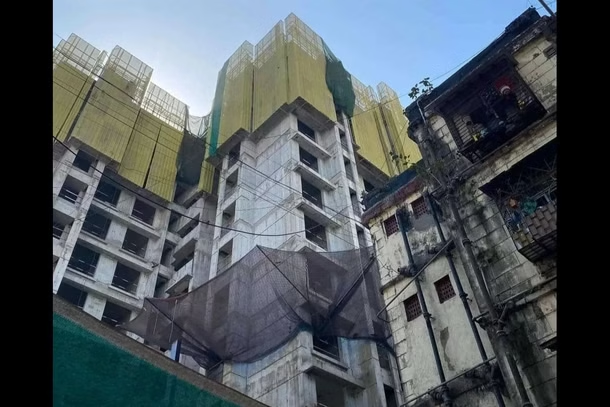
What is Redevelopment?
Redevelopment refers to the process of demolishing an old residential building and constructing a new building on the same plot of land.
Typically, a real estate developer undertakes redevelopment and receives development rights for constructing additional apartments which can be sold in the open market.
In return, residents of the existing building usually receive:
- Larger carpet area in the new building
- Modern amenities such as elevators and parking
- Temporary rent compensation during construction
- Higher long-term property value.
Why Redevelopment is Increasing in Mumbai
Redevelopment is growing rapidly in Mumbai due to several reasons.
Aging Buildings
Many buildings in Mumbai were constructed before the 1980s and are now structurally weak or outdated.
Limited Land Availability
Since Mumbai has very limited land for new construction, redevelopment allows better utilization of existing land parcels.
Increased Floor Space Index (FSI)
Government policies allow higher construction potential, making redevelopment financially viable for developers.
Demand for Modern Housing
Residents prefer new buildings with better facilities, security, and infrastructure.
Step-by-Step Redevelopment Process in Mumbai
Redevelopment projects follow a structured process involving housing societies, consultants, developers, and regulatory authorities.
1. Structural Audit of Building
A structural engineer inspects the building and determines whether redevelopment is required.
2. Society Resolution
The housing society holds a general body meeting where members vote on whether redevelopment should proceed.
3. Appointment of Project Management Consultant (PMC)
A Project Management Consultant assists the society with:
- feasibility studies
- developer selection
- project monitoring.
4. Feasibility Study
The consultant evaluates redevelopment potential based on available FSI, plot size, and government regulations.
5. Developer Tender Process
Multiple developers submit proposals offering benefits such as:
- additional carpet area
- rent during construction
- amenities.
6. Developer Selection
The society evaluates proposals and selects the most suitable developer.
7. Development Agreement
A legal agreement is signed outlining project timelines, obligations, and compensation terms.
8. Temporary Relocation of Residents
Residents vacate the building and receive rental compensation or alternate accommodation.
9. Construction Phase
The old building is demolished and construction of the new building begins.
10. Possession of New Flats
Once construction is complete, residents receive possession of their new apartments.
Legal Framework for Redevelopment
Redevelopment projects must comply with multiple legal requirements.
These include:
- cooperative housing society regulations
- municipal building approvals
- real estate project registration with the Maharashtra Real Estate Regulatory Authority.
Legal disputes between developers and societies may also be resolved through courts such as the Bombay High Court.
Benefits of Redevelopment for Society Members
Redevelopment provides several advantages for residents.
Larger Apartments
Residents typically receive larger carpet areas in the new building.
Modern Amenities
Redeveloped buildings often include:
- elevators
- parking
- security systems
- fitness centers.
Higher Property Value
Newly redeveloped apartments usually command higher resale values.
Improved Safety
New construction follows updated building safety standards.
Risks in Redevelopment Projects
Although redevelopment offers many benefits, societies should also consider potential risks.
Project Delays
Construction delays may occur due to regulatory approvals or financial challenges.
Developer Financial Issues
If the developer faces financial difficulties, the project may be delayed.
Legal Disputes
Disagreements between residents and developers can lead to litigation.
How to Choose the Right Developer
Housing societies should conduct careful due diligence before selecting a developer.
Important factors include:
- developer reputation
- financial stability
- past redevelopment projects
- transparency in agreements.
Selecting a reliable developer significantly reduces the risk of project delays.
Future of Redevelopment in Mumbai
Redevelopment will remain a major driver of Mumbai’s real estate market in the coming decades.
With thousands of aging buildings and limited land supply, redevelopment provides a sustainable solution to modernize housing infrastructure and improve living standards.
For housing societies, careful planning and professional guidance are essential for successful redevelopment projects.
Frequently Asked Questions (FAQ)
What is redevelopment in Mumbai?
Redevelopment is the process of demolishing an old building and constructing a new residential building on the same land while providing new apartments to existing residents.
How much consent is required for redevelopment?
Typically, a majority of housing society members must approve redevelopment before the project proceeds.
How long does redevelopment take?
Redevelopment projects usually take 3–5 years depending on approvals and construction timelines.
Do residents receive rent during redevelopment?
Yes. Developers usually provide rent compensation or temporary accommodation to residents while the building is under construction.
Is redevelopment regulated by RERA?
Yes. Many redevelopment projects must be registered with the Maharashtra Real Estate Regulatory Authority depending on the project structure.
Can society members oppose redevelopment?
Members can raise objections if proper procedures are not followed. In some cases disputes may be taken to the Bombay High Court.