
DLF Supreme Court Case: A Major Turning Point for India’s Real Estate Sector
India’s real estate sector has once again come under the spotlight after the **Supreme Court of India ordered a probe by the Central Bureau of Investigation into a housing project developed by DLF Limited in Gurugram.
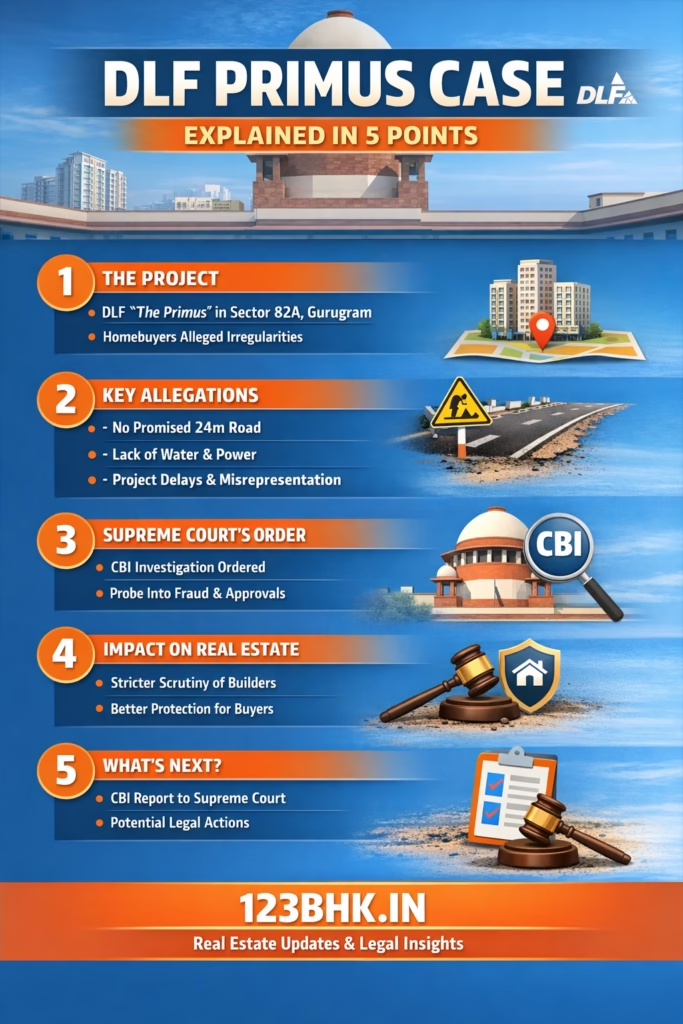
The case revolves around alleged irregularities in the DLF Primus residential project located in Sector 82A, Gurugram, where several homebuyers accused the developer of making misleading promises and failing to deliver the infrastructure that was originally advertised.
The Supreme Court’s intervention has sparked widespread debate in the real estate industry, raising questions about developer accountability, project approvals, and buyer protection in India.
Background of the DLF Primus Project
DLF Primus is a premium residential project located in DLF Garden City in Gurugram, part of the rapidly developing real estate corridor near the Dwarka Expressway.
The project was marketed as a high-end residential development with world-class amenities and strong connectivity to Delhi and other parts of the NCR region.
When the project was launched, buyers were promised:
- Wide access roads
- Reliable infrastructure
- High-quality construction
- Seamless connectivity to highways
- Premium residential facilities
However, several buyers later alleged that many of these promises were not fulfilled even years after possession.
These grievances eventually led to a legal battle that reached India’s highest court.
What Are the Allegations Against DLF?
Homebuyers who purchased apartments in the DLF Primus project raised multiple complaints against the developer.
Some of the key allegations include:
1. Missing Access Road
One of the most serious complaints was the absence of a 24-meter-wide access road, which had been promised to buyers during the project’s marketing phase.
Access roads are critical for residential developments because they affect:
- Emergency access
- Traffic management
- Overall livability of the project
Buyers argued that without this promised road, the project’s accessibility and value were severely affected.
2. Infrastructure Deficiencies
Residents also complained about inadequate infrastructure such as:
- Lack of proper water supply
- Electricity infrastructure issues
- Delays in completion of supporting facilities
These issues raised concerns about whether the project had received the necessary approvals before being marketed to buyers.
3. Misrepresentation During Marketing
Buyers alleged that the project was sold using marketing material that created an unrealistic impression of the infrastructure surrounding the project.
This includes:
- Brochures
- Promotional advertisements
- Sales presentations
If proven, such actions could amount to misrepresentation or unfair trade practices.
Why the Supreme Court Ordered a CBI Investigation
While hearing the case, the Supreme Court made strong observations regarding the situation faced by homebuyers.
The court noted that many buyers invest their life savings in residential properties, and therefore developers must be held accountable for the promises they make.
The bench observed that the issue might not be limited to just one project and could represent wider systemic problems in the real estate sector.
As a result, the court ordered the Central Bureau of Investigation (CBI) to investigate the matter.
The CBI probe will examine:
- Whether false representations were made to buyers
- Whether project approvals were properly obtained
- The role of government authorities involved in approvals
- Possible financial or regulatory violations
The investigation will eventually be submitted as a report to the Supreme Court.
Impact on the Indian Real Estate Industry
The Supreme Court’s decision has major implications for the real estate sector in India.
1. Increased Accountability for Developers
Large developers may now face greater scrutiny regarding:
- Project approvals
- Marketing claims
- Infrastructure commitments
This could lead to stricter compliance requirements across the industry.
2. Stronger Protection for Homebuyers
Homebuyers have historically faced challenges when dealing with delayed or incomplete projects.
However, legal developments such as:
- The Real Estate (Regulation and Development) Act, 2016
- Increased judicial intervention
have strengthened buyer rights.
The DLF case reinforces the idea that buyers can challenge large developers in courts when promises are not fulfilled.
3. Regulatory Scrutiny on Project Approvals
Authorities responsible for project approvals may also face scrutiny during the investigation.
The CBI probe could examine whether:
- Local authorities granted approvals improperly
- Infrastructure requirements were overlooked
- Compliance norms were ignored
Such findings could influence how real estate projects are approved in the future.
Lessons for Homebuyers
The case highlights several important lessons for property buyers.
Verify Project Approvals
Before purchasing a property, buyers should verify:
- RERA registration
- Building approvals
- Environmental clearances
These documents provide assurance that the project has met regulatory requirements.
Check Infrastructure Commitments
Buyers should carefully review promises made by developers regarding:
- Access roads
- Transport connectivity
- Water and electricity supply
Such infrastructure commitments significantly affect the long-term value of a property.
Use Legal Remedies
If a developer fails to deliver promised facilities, buyers can approach:
- RERA authorities
- Consumer courts
- High Courts
- The Supreme Court in rare cases
Legal remedies have increasingly become effective tools for homebuyers.
DLF’s Position
As one of India’s largest real estate developers, DLF Limited has delivered several large projects across the country.
The company has stated in previous legal disputes that it complies with regulatory norms and has often defended its projects in court.
The outcome of the CBI investigation will determine whether the allegations in this case are substantiated.
What Happens Next?
The next phase of the case will involve a detailed investigation by the CBI.
Key developments to watch include:
- The findings of the CBI probe
- Possible criminal or regulatory actions
- Further hearings in the Supreme Court
The final outcome could influence future litigation involving real estate developers across India.
Conclusion
The Supreme Court’s decision to order a CBI probe into the DLF Primus project marks an important moment in India’s real estate regulatory landscape.
For homebuyers, the case reinforces the principle that developers must be transparent and accountable for the promises they make.
For the real estate industry, it serves as a reminder that regulatory compliance, ethical marketing, and proper infrastructure planning are essential for maintaining buyer trust.
As the investigation unfolds, the findings could reshape how real estate projects are approved, marketed, and delivered in India.
⚠️ Legal Disclaimer:
This article is for informational and educational purposes only and should not be considered legal advice. Readers should consult qualified legal professionals for advice regarding specific real estate disputes.